Understanding Trauma in Early Childhood
Trauma, defined as an emotional response to distressing events, significantly affects young children in various educational settings. In early childhood education, trauma can manifest through multiple forms, such as neglect, abuse, or witnessing violence. Each of these experiences can have profound effects on a child’s emotional and psychological development, hindering their ability to thrive in a classroom environment.
Neglect, often seen in cases where caregivers fail to provide adequate emotional, physical, or educational support, can lead to significant deficits in a child’s socio-emotional growth. Children who experience neglect may struggle to form healthy attachments, impacting their relationships with peers and educators. Similarly, instances of physical or emotional abuse can instill a pervasive sense of fear or anxiety, drastically altering how children perceive authority figures and social situations.
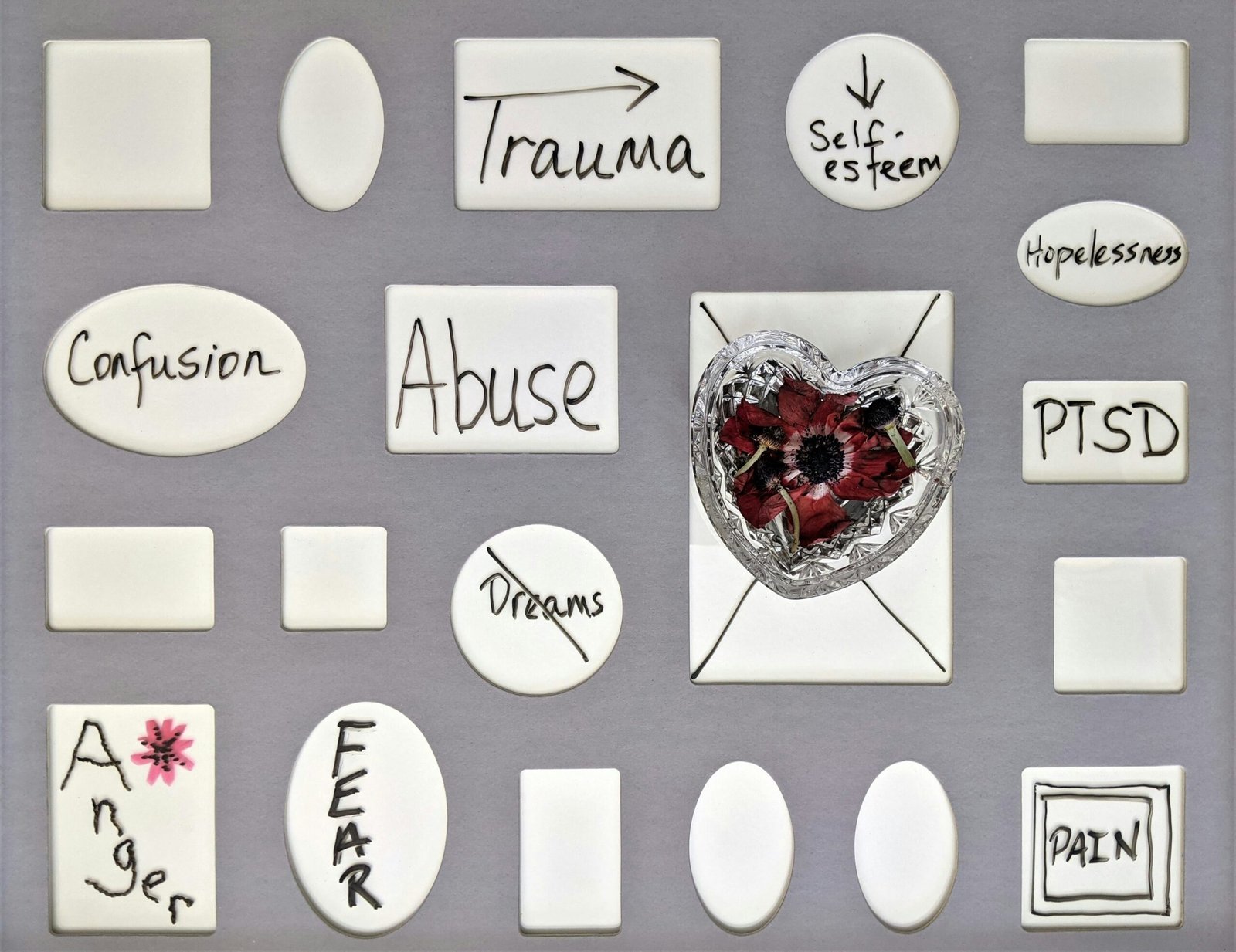
Exposure to violence, whether in the home or community, also disproportionately affects young children. Such experiences can lead to symptoms associated with post-traumatic stress disorder (PTSD), including nightmares, irritability, and hyper-vigilance. Notably, research indicates that trauma is not an isolated phenomenon; it frequently coexists with other adverse childhood experiences (ACEs). As studies reveal, a significant percentage of children in educational settings have encountered trauma, with estimates suggesting that around one in four children may have experienced at least one traumatic event.
The implications of trauma in early childhood are far-reaching. Children affected by trauma may exhibit behavioral challenges and difficulty with emotional regulation, thus impacting their ability to learn effectively. These children may also face challenges in developing social skills and may be more likely to disengage from the learning process. Recognizing the signs of trauma is critical for educators, as it enables them to create supportive environments tailored to the needs of affected students.
The Importance of Trauma-Informed Teaching
Trauma-informed teaching has emerged as a crucial framework for early childhood educators, emphasizing the necessity of recognizing the profound impact trauma can have on children’s development and learning. Understanding this framework is essential for creating an environment that fosters emotional and psychological safety. Children exposed to trauma may exhibit a range of behaviors including withdrawal, aggression, or difficulty concentrating, which can hinder their academic success. By implementing trauma-informed strategies, educators can significantly improve student behavior and emotional regulation, thereby enhancing overall classroom dynamics.
When educators adopt a trauma-informed approach, they acknowledge the prevalence of trauma and its effects on children’s learning processes. This understanding allows them to respond effectively to challenging behaviors without further traumatization. Instead of viewing disruptive behavior solely as a disciplinary issue, educators equipped with trauma-informed knowledge can interpret these actions as signals of distress. Creating supportive, nurturing relationships can be pivotal for helping affected children feel safe, valued, and understood in their learning environment.
Moreover, trauma-informed teaching is not just beneficial for the students but also positively affects educators themselves. By acknowledging the emotional toll that working with trauma-impacted children can take, educators can cultivate a more resilient and supportive teaching atmosphere. This approach encourages self-care practices among educators, fostering a professional culture that values mental well-being and reduces the risk of secondary trauma. When educators feel supported and capable of addressing the emotional needs of their students, they are better positioned to promote academic success and overall positive outcomes in the classroom.
Key Principles of Trauma-Informed Teaching
Trauma-informed teaching is grounded in several key principles that serve as a framework for supporting young children and educators alike. One fundamental principle is safety, which encompasses both physical and emotional environments. Educators must prioritize creating a space where children feel secure and protected from harm. This can involve establishing clear classroom rules, offering consistent routines, and maintaining a calming atmosphere that reduces anxiety and promotes stability.
Trustworthiness is another essential principle that fosters a supportive relationship between educators and students. By demonstrating reliability and honesty, teachers can cultivate an atmosphere of mutual respect. This involves clear communication, setting realistic expectations, and providing students with choices that empower them, thereby allowing children to regain a sense of control over their environment.
Peer support plays a critical role in trauma-informed practices. Facilitating connections among students encourages them to share experiences and feelings with one another, thereby normalizing the discourse around trauma. By promoting collaborative learning opportunities and emotional expression, educators can help create an inclusive community that nurtures resilience.
Collaboration extends beyond the classroom and involves engaging families and community members in the educational process. Building partnerships with parents and caregivers supports a holistic approach to learning, allowing educators to align classroom strategies with home environments. This principle fosters continuity of care, which is crucial for children who may have experienced disruptive events.
The principle of empowerment is aimed at bolstering children’s strengths and abilities. Through recognizing and celebrating individual achievements, educators can help students develop a positive self-image and feel valued. Lastly, cultural responsiveness ensures that teaching practices acknowledge and respect the diverse backgrounds of all students. Tailoring education to reflect the cultural values and lived experiences of children enhances their engagement and reinforces their sense of belonging within the classroom.
Strategies for Implementing Trauma-Informed Practices
Implementing trauma-informed practices in early childhood education is essential for creating an environment that supports the emotional and psychological well-being of children. One effective strategy is to build strong relationships with students. Establishing trustful, supportive connections can help children feel secure and valued, which is fundamental for their development. Educators can achieve this by spending quality time with each child, actively listening to their concerns, and showing empathy towards their experiences.
Creating a predictable routine is another vital strategy. Children who have experienced trauma often thrive in structured environments where they understand what to expect. By consistently following a daily schedule, educators can minimize anxiety and help children feel more in control of their surroundings. It’s important for educators to communicate the routine clearly and provide visual supports, such as a visual schedule, to reinforce predictability.
Positive behavior management techniques are essential for fostering a supportive classroom atmosphere. Rather than focusing solely on discipline, educators should emphasize positive reinforcement. Recognizing and praising desired behaviors can motivate children and promote a sense of accomplishment. It is also beneficial to implement restorative practices, which encourage children to reflect on their choices and restore relationships when conflicts arise.
Incorporating social-emotional learning (SEL) activities into the curriculum is a practical way to reinforce trauma-informed practices. These activities can teach children essential skills such as emotion regulation, empathy, and problem-solving. Utilizing stories, role-playing, and games can make these lessons engaging and relatable. For example, educators may use puppets to demonstrate conflict resolution strategies, allowing children to engage in dialogue and practice their skills in a safe context.
By adopting these strategies, early childhood educators can create an inclusive environment that acknowledges the impact of trauma and supports the growth of all students.
Recognizing and Addressing Secondary Trauma in Educators
Secondary trauma, also known as vicarious trauma, occurs when educators are exposed to the trauma experienced by the children they work with. This indirect exposure can lead to significant emotional and psychological distress. As early childhood educators engage with students who have experienced trauma, they may begin to internalize these experiences, adversely affecting their own mental health and job performance. Recognizing the signs and symptoms of secondary trauma is crucial for educators and the institutions they serve.
Common indicators of secondary trauma may include persistent feelings of anxiety, emotional exhaustion, irritability, or a diminished sense of personal accomplishment. Educators might experience difficulty sleeping, increased cynicism about their job, and a compromised ability to empathize with others. These symptoms can lead to feelings of isolation and helplessness, which can hinder educators’ effectiveness in the classroom. Furthermore, educators grappling with secondary trauma may find it challenging to maintain healthy relationships with colleagues and students alike, impacting the overall classroom environment.
The implications of secondary trauma within the educational setting extend beyond individual well-being; they can also influence school culture, student outcomes, and educator retention rates. Efforts to address secondary trauma must involve proactive measures, including supervision, support networks, and trauma-informed practices that emphasize healing and resilience. Professional development opportunities focused on trauma awareness and self-care techniques can also empower educators to manage their emotional responses effectively.
Creating an environment that openly acknowledges the potential for secondary trauma is essential for fostering well-being among educators. Schools should promote open dialogue about the challenges educators face and implement structured support systems designed to mitigate these effects. By recognizing and addressing secondary trauma, early childhood educators can enhance their professional satisfaction and ensure a more effective learning environment for their students.
Support Systems for Educators Experiencing Secondary Trauma
In the realm of early childhood education, educators frequently encounter various challenges that may lead to secondary trauma. This not only affects their well-being but also impacts their students and overall educational environment. Establishing robust support systems is vital to help educators navigate these emotional challenges effectively. One of the most beneficial mechanisms is the formation of peer support groups. Within these groups, educators can share their experiences, provide emotional support, and foster a sense of community. Engaging with peers who understand the unique strains of teaching can alleviate feelings of isolation and promote resilience.
Counseling services are another essential component of support for educators experiencing secondary trauma. Access to professional counseling can provide educators with coping strategies and tools necessary to process their emotions. Institutions should consider integrating mental health resources into professional development programs to ensure educators are aware of available support. Training sessions focusing on trauma-informed practices can empower educators with the knowledge to recognize and manage their own secondary trauma, thus enhancing their overall mental health.
Additionally, wellness programs tailored for educators can significantly contribute to emotional well-being. These initiatives might include mindfulness practices, stress management workshops, and physical health activities. Incorporating wellness into the school culture helps normalize conversations about mental health and underscores its importance. Education professionals can benefit from opportunities to engage in regular self-care routines, which can mitigate the effects of secondary trauma and foster a more positive work environment.
Ultimately, a multi-faceted approach that encompasses peer support, counseling, professional development, and wellness programs is vital for supporting educators grappling with secondary trauma. Implementing these support systems can lead to enhanced educator resilience, improved teaching effectiveness, and a nurturing environment for young learners.
Building a Trauma-Informed School Culture
Creating a trauma-informed school culture requires systemic changes that extend beyond individual classrooms. Central to this transformation is the role of school leadership, which must prioritize trauma-informed practices as an essential component of the educational framework. Leaders should actively engage in professional development to understand the impact of trauma on children, fostering an environment where educators feel empowered to adopt these practices. Moreover, effective communication of this vision to all staff members is imperative; it encourages collaboration and ensures a consistent approach across the school.
In addition to leadership initiatives, the development of appropriate policies is crucial for embedding trauma-informed practices within early childhood education settings. Policies should promote mental health resources, define procedures for identifying and responding to trauma, and outline supportive disciplinary measures that consider the emotional and psychological needs of students. By adopting a trauma-sensitive lens in policymaking, schools can create a framework that supports teachers and helps mitigate the risks of secondary trauma.
Community partnerships play a significant role in reinforcing a trauma-informed approach. Collaboration with local mental health services, social workers, and other community organizations can provide essential support not only for students but also for educators. These partnerships can facilitate access to counseling services, professional development workshops, and resources that help both staff and students cope with the effects of trauma. By fostering a network of support, schools can enhance their capacity to respond effectively to the needs of children and educators alike.
In conclusion, establishing a trauma-informed school culture requires a multifaceted approach involving strong leadership, thoughtful policy development, and robust community partnerships. Emphasizing these elements can significantly enhance the educational experiences of young children while supporting the well-being of educators in early childhood settings.
Case Studies of Successful Trauma-Informed Approaches
The implementation of trauma-informed approaches in early childhood education has garnered attention, as evidenced by several successful case studies across different educational environments. These cases serve as testament to the efficacy of integrating trauma-sensitive practices into daily lesson plans and interactions with young learners.
One notable case study took place in a large urban preschool that catered to a highly diverse population. This institution faced significant challenges, including high rates of childhood adversity and behavioral issues. To address these problems, the educators underwent specialized training focused on trauma-informed practices. The training emphasized understanding the impact of trauma on children’s behavior and emotional well-being. Consequently, staff began to employ strategies such as creating a safe and predictable classroom environment, implementing consistent routines, and fostering positive relationships with children. Over time, educators noted a marked decrease in behavioral incidents and an increase in children’s willingness to engage in classroom activities.
Another successful example comes from a rural early childhood center that implemented a trauma-informed framework as part of its mission to support children coping with adverse experiences. This center faced the challenge of limited resources, which necessitated innovative solutions. The educators developed partnerships with local mental health professionals who provided guidance on implementing trauma-informed strategies. Collaborative community support resulted in the creation of a robust network that aimed to address both child and educator needs. The outcomes were favorable, as educators reported improved classroom dynamics and enhanced emotional regulation among students, reflecting the successful application of trauma-informed practices in an underserved area.
These case studies highlight that with appropriate training, community support, and a commitment to understanding trauma’s effects, early childhood educators can create nurturing environments that significantly benefit both children and themselves. The strategies utilized in these settings showcase the potential for trauma-informed approaches to effect positive change in educational outcomes.
Future Directions for Trauma-Informed Teaching
As trauma-informed teaching continues to gain recognition in early childhood education, it is essential to explore future directions that promise to enhance its effectiveness. One significant area for future research involves the development of comprehensive frameworks that can be implemented across diverse educational settings. These frameworks should focus on integrating trauma-informed practices into everyday teaching strategies, ensuring that educators are equipped with the tools necessary to recognize and respond to children experiencing trauma. By conducting longitudinal studies, researchers can assess the long-term impacts of trauma-informed practices on children’s development and learning outcomes.
Furthermore, ongoing training and professional development are vital components in the implementation of trauma-informed teaching. Educational institutions, such as universities and training organizations, should prioritize the inclusion of trauma-informed principles and techniques in their curricula. This not only prepares new educators but also offers current educators access to continual learning and resources that address the evolving nature of trauma and its effects on children. Workshops, webinars, and peer support programs can significantly enhance educators’ understanding and application of trauma-informed strategies in the classroom.
Advocacy is another critical element in the promotion of trauma-informed teaching practices. Policymakers need to support legislation that allocates funding for trauma-informed training programs and resources within early childhood education settings. It is imperative for educators, parents, and community members to join efforts in raising awareness about the importance of trauma-informed care. Collaborative initiatives between schools, mental health professionals, and families can help create a supportive network that benefits both children and educators. By prioritizing trauma-informed education, we can foster an environment where every child has the opportunity to thrive despite the challenges they may face. This collective commitment to trauma-informed practices ultimately signifies a dedication to nurturing resilience and well-being in early childhood education.