Introduction to Trauma-Informed Teaching
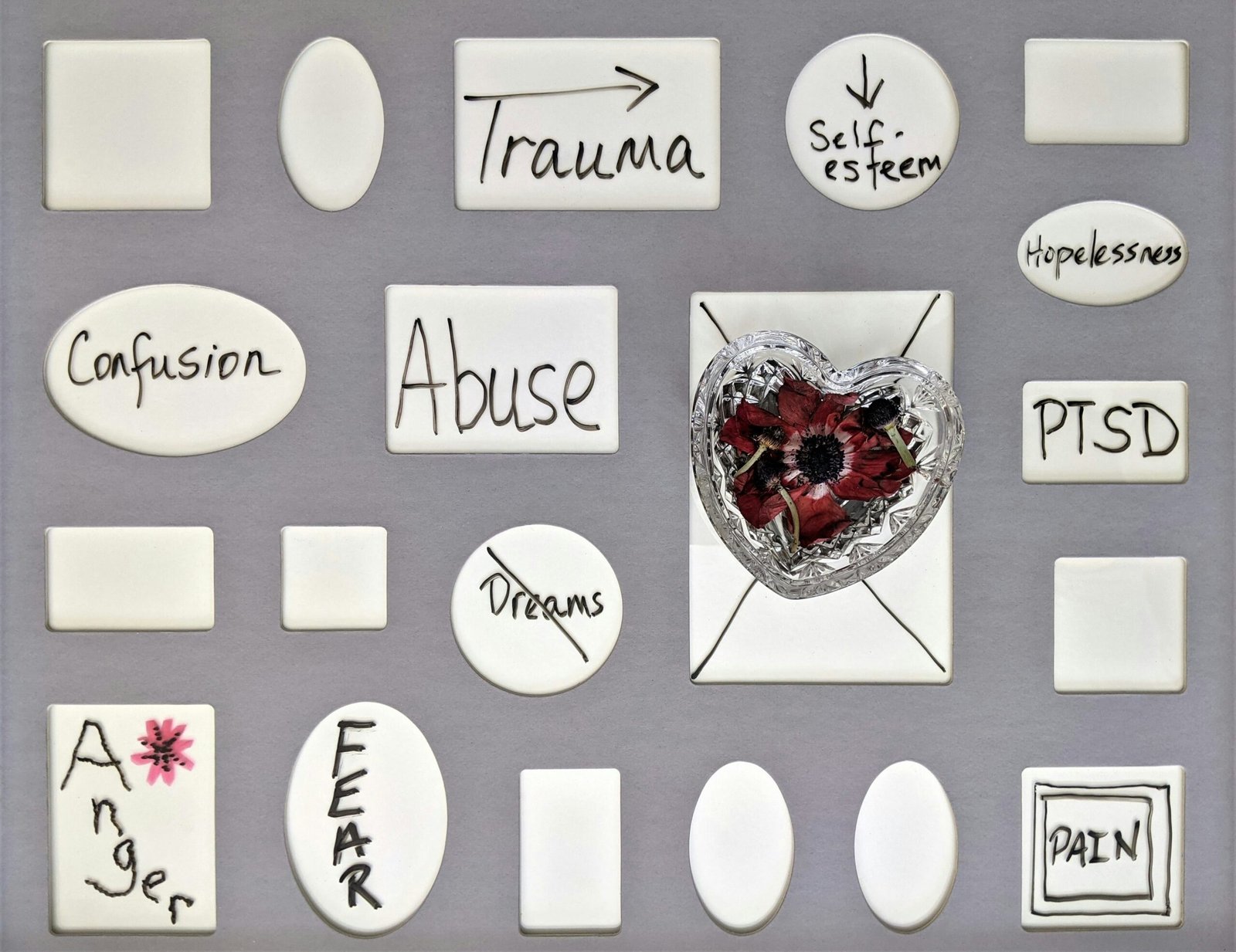
Trauma-informed teaching is an educational approach that recognizes the profound impact of trauma on the development and learning processes of young children. This methodology is essential in early childhood education, as it acknowledges that many children may have experienced adverse events that can influence their behavior, emotional regulation, and overall capacity to engage in the learning environment. Trauma, in this context, can encompass various experiences, including abuse, neglect, parental separation, or exposure to domestic violence. Understanding these factors is crucial for educators to foster a supportive and nurturing atmosphere.
The significance of trauma-informed teaching lies in its emphasis on creating safe spaces for children, allowing them to thrive despite their past experiences. Educators equipped with trauma-informed practices can better comprehend the effects of trauma on a child’s cognitive, emotional, and social development. Research has highlighted that unresolved trauma can lead to difficulties in learning, self-regulation, and relationship-building, making it imperative for early childhood educators to adopt an approach that is sensitive to the needs of traumatized children.
Furthermore, trauma-informed teaching advocates for responsiveness and flexibility within the educational framework. Educators are encouraged to consider the individual needs of each child, recognizing that behaviors often stem from trauma-related stress rather than intentional misbehavior. By understanding the root causes of a child’s actions, educators can implement appropriate interventions and accommodations that support healing and growth. In this blog post, we will delve deeper into the strategies and practices involved in establishing a trauma-informed environment, ensuring that educators are equipped with the necessary tools to promote resilience and positive outcomes for all children.
Understanding Childhood Trauma
Childhood trauma encompasses a broad spectrum of experiences that can profoundly affect a child’s development. Various types of trauma can occur, including physical, emotional, or sexual abuse, neglect, exposure to domestic violence, and community violence. Each type of trauma manifests unique challenges for children and can severely impact their emotional, cognitive, and social growth.
Research indicates that a significant number of young children experience trauma during their formative years. Approximately 1 in 4 children in the United States endure at least one type of traumatic event before reaching the age of four. The prevalence of trauma is notably high among children from low-income families, those living in unstable environments, or those with parents struggling with mental health or substance abuse issues. Understanding these statistics underscores the importance of addressing trauma in educational settings.
The effects of trauma on children can be both immediate and long-lasting. Emotionally, traumatic experiences may lead to anxiety, depression, or emotional dysregulation. Cognitively, children may struggle with attention, memory, and problem-solving skills, making their engagement in learning activities particularly challenging. Socially, traumatized children often find it difficult to form trusting relationships and may experience difficulties in navigating peer interactions. Behavioral issues can also arise, manifesting as aggression or withdrawal.
For early childhood educators, recognizing the signs of trauma is crucial for fostering a supportive learning environment. It is essential for educators to approach teaching with an understanding of how trauma can affect various aspects of a child’s development. This foundational knowledge empowers teachers to implement strategies that promote healing and resilience, ensuring that all students have the opportunity to thrive academically and socially.
The Impact of Trauma on Learning and Behavior
Trauma can have a profound effect on children’s learning and behavior, particularly in early childhood settings where developmental milestones are critical. Understanding these impacts is essential for educators aiming to foster a supportive, nurturing learning environment. Children who have experienced trauma may exhibit a range of emotional and behavioral responses that can be challenging in a classroom setting.
One common response to trauma is withdrawal, where a child may isolate themselves from peers or adults, reflecting their distress or inability to cope with overwhelming feelings. This withdrawal can hinder social interactions and impede the development of essential communication skills. Furthermore, these children may struggle to concentrate on tasks, as their minds are preoccupied with anxiety related to their traumatic experiences, thereby affecting their academic performance.
On the other end of the spectrum, some children may respond to trauma with aggression or disruptive behavior. These responses can manifest as tantrums, defiance, or other actions that can be interpreted as misbehavior. However, it is crucial for educators to recognize that these behaviors are often rooted in a child’s trauma history, rather than intentional disruptions. Understanding the underlying causes of these behaviors can help educators respond appropriately and compassionately, rather than resorting to punitive measures.
Moreover, children with trauma histories may also exhibit heightened anxiety or a strong fight-or-flight response, which can affect their ability to engage effectively in a structured learning environment. This may manifest through peer conflicts, difficulty in following instructions, or challenges in emotional regulation. Recognizing these signs of trauma is essential, as it allows educators to view behavioral issues through a lens of empathy and understanding, ultimately leading to more effective support strategies for affected children.
Principles of Trauma-Informed Care
Trauma-informed care is an approach that acknowledges the significant impact trauma can have on an individual’s life, especially in the context of early childhood education. The implementation of trauma-informed principles fosters an environment where children feel supported, understood, and safe. The core principles of trauma-informed care encompass safety, trustworthiness, peer support, collaboration, empowerment, as well as considerations of cultural, historical, and gender issues.
Safety is the foundational principle, ensuring that the classroom environment feels secure for all students. This extends beyond physical safety to emotional and psychological well-being, reinforcing the importance of creating a space where children can express themselves without fear of judgment or harm. Educators should actively assess and mitigate potential stressors within the environment to uphold this principle.
Trustworthiness also plays a crucial role in trauma-informed teaching. Establishing a consistent, predictable atmosphere allows children to build trust with their educators. This can be achieved by maintaining clear communication and setting clear expectations. In addition, peer support can cultivate a sense of belonging among students. Encouraging group activities and cooperative learning helps children develop solidarity, which can directly counteract feelings of isolation often experienced by those with trauma backgrounds.
Collaboration is another essential element of trauma-informed care, emphasizing the synergy between educators, families, and support personnel. Working together enhances the resources available to students, thus providing comprehensive support tailored to individual needs. Empowerment focuses on fostering resilience in children, equipping them with the skills and confidence required to navigate their educational journey. Lastly, it is fundamental to consider cultural, historical, and gender influences in shaping a child’s experience and perceptions.
Integrating these principles into teaching practices not only enhances educational outcomes but also nurtures the emotional development of young learners. By aligning classroom management strategies with trauma-informed care principles, educators can create a more inclusive and supportive educational framework.
Creating a Trauma-Informed Classroom Environment
Establishing a trauma-informed classroom environment is essential for fostering the well-being and development of young children who may have experienced trauma. This involves creating a safe and supportive atmosphere that promotes emotional security and enhances the learning experience. Early childhood educators can begin by implementing consistent routines. Predictable schedules provide children with a sense of stability, helping them feel more secure and less anxious about the unknown. By setting a routine, educators can also minimize surprises that may trigger stress or anxiety in children affected by trauma.
In addition to routines, cultivating positive relationships is vital. Educators should strive to build trust with each child by showing empathy and understanding. Engaging in one-on-one interactions, actively listening, and validating feelings can significantly enhance rapport. It is also important to encourage peer connections among children, as healthy friendships provide emotional support. Strategies such as cooperative learning and group activities can help foster interpersonal relationships, which are crucial for a child’s emotional growth and resilience.
Implementing restorative practices is another effective strategy. This involves encouraging children to reflect on their actions, understand the impact on others, and work toward repairing relationships. Additionally, educators can establish a classroom culture that emphasizes kindness, respect, and accountability, allowing children to feel valued and understood. The physical space of the classroom should also be thoughtfully organized. Comforting decor, quiet areas for relaxation, and accessible materials can enhance a child’s sense of safety and belonging. By prioritizing these elements, educators create an inclusive environment that recognizes and honors the diverse experiences of children, especially those who have encountered trauma.
Recognizing and Addressing Secondary Trauma in Educators
Secondary trauma is an experience that educators may encounter when supporting children who have undergone trauma. This phenomenon occurs when an individual, through their compassion and interaction with traumatized students, begins to absorb the emotional distress and pain being expressed. Consequently, educators can experience symptoms akin to those of Post-Traumatic Stress Disorder (PTSD), such as anxiety, depression, chronic fatigue, and emotional numbing. Understanding the signs of secondary trauma in educators is crucial for fostering a sustainable teaching environment.
Common symptoms of secondary trauma include increased irritability, difficulty concentrating, sleep disturbances, and a pervasive sense of helplessness. These manifestations can directly impact an educator’s ability to connect with their students, which is vital in early childhood education. Moreover, educators may find themselves feeling emotionally drained or detached, leading to diminished job satisfaction and increased attrition rates in the profession. Recognizing these signs early can empower educators to seek necessary support and intervention.
The importance of self-care cannot be overstated when addressing secondary trauma in educators. A robust self-care routine supports mental and emotional well-being while equipping teachers to manage the stresses associated with working with traumatized children. Self-care practices may include mindfulness techniques, physical exercise, social support networks, and professional counseling. It is essential for schools to promote a culture that acknowledges the emotional toll on educators, offering resources such as mental health support or workshops on trauma awareness and self-care strategies.
In dealing with secondary trauma, establishing a collaborative support system among educators can also provide a protective buffer against emotional distress. Regularly scheduled peer support groups or mentorship initiatives can create spaces for educators to share experiences and coping strategies. Prioritizing open communication encourages a collective approach to well-being, reducing feelings of isolation. By recognizing and addressing secondary trauma, educators can ultimately foster a healthier and more effective learning environment for both themselves and their students.
Collaboration with Support Services
Collaboration between educators and mental health professionals is vital in creating a comprehensive framework for trauma-informed teaching. Given the intricate nature of trauma and its wide-ranging effects on children’s learning and behavior, early childhood educators must forge strong partnerships with support services to adequately address the psychological needs of their students. These partnerships can significantly enhance the learning environment, making it safe and supportive for all children.
Effective collaboration begins with open lines of communication between educators and mental health professionals. This can involve regular meetings to discuss individual student cases, share observations, and develop tailored strategies. By engaging with counselors and psychologists, educators can gain valuable insights into the signs of trauma and the appropriate interventions to utilize within the classroom. It is essential for educators to familiarize themselves with the resources available in their community, such as mental health clinics, social services, and support groups, allowing them to make timely referrals when necessary.
Additionally, educators should feel empowered to advocate for their students by facilitating access to these support services. Building a network of professionals can lead to a multidisciplinary approach that addresses not only educational challenges but also emotional and social issues stemming from trauma. By collectively identifying specific triggers and developing a cohesive response plan, education and mental health professionals can create a more effective support system for affected children.
Furthermore, educators should consider incorporating training sessions or workshops presented by mental health experts into their professional development. This helps educators stay informed about the latest research and best practices in trauma-informed care. Ultimately, by working collaboratively with support services, early childhood educators can foster an inclusive environment that prioritizes the emotional well-being of all students, ensuring that trauma responses are understood and skillfully managed.
Building Resilience in Children
Resilience is an essential trait that enables children to face and overcome the challenges stemming from traumatic experiences. Early childhood educators play a pivotal role in fostering resilience by implementing a variety of strategies tailored to individual needs. One of the most effective approaches to building resilience in children is through social-emotional learning (SEL). SEL helps children recognize and manage their emotions, set positive goals, and establish healthy relationships. By integrating SEL into daily activities, educators can create a safe and supportive environment where children feel valued and understood.
Establishing positive relationships is another critical component in promoting resilience. Educators should strive to develop strong, trust-based connections with their students. This requires active listening, empathy, and consistent support, which helps children feel secure and fosters a sense of belonging. When children trust their educators, they are more likely to engage in learning and take risks, which ultimately contributes to their ability to cope with and recover from trauma.
In addition to SEL and nurturing relationships, educators can incorporate skill-building activities that equip children with the tools they need to navigate challenges. These activities can include problem-solving tasks, interactive play, and mindfulness exercises. By engaging children in these practices, educators provide them with the opportunity to practice coping strategies in a safe environment. Furthermore, teaching children to express their feelings, whether through art, writing, or conversation, can empower them to articulate their thoughts and experiences, making them more resilient in the face of adversity.
Ultimately, fostering resilience in children requires a multi-faceted approach that encompasses social-emotional learning, the cultivation of positive relationships, and the incorporation of skill-building activities. By investing time and effort into these strategies, early childhood educators can help children develop the resilience needed to overcome trauma and thrive in their educational journey.
Conclusion and Resources
Trauma-informed teaching is an essential approach that recognizes the complex needs of children who have experienced trauma. By fostering a safe and supportive environment, educators can help alleviate the negative effects of trauma on children’s learning and emotional well-being. This method not only benefits students but also supports teachers as they learn to navigate the challenges presented by trauma-affected students effectively. Understanding trauma and its impacts can enrich educators’ capacity to connect with students, thereby promoting enhanced learning experiences and improved behavioral outcomes.
Implementing trauma-informed practices necessitates a shift in perspective and requires educators to continually seek knowledge and skills that cater to the diverse needs of their students. Effective trauma-informed strategies enable educators to identify trauma triggers and create nurturing spaces that encourage resilience and healing. Moreover, educators equipped with knowledge about trauma can more effectively collaborate with families and support networks, ensuring students have access to comprehensive care both inside and outside of the classroom.
For those seeking to further their understanding of trauma-informed education, various resources are available. Recommended books include “The Body Keeps the Score” by Bessel van der Kolk, which delves into the effects of trauma on the body and mind, and “Trauma-Sensitive Schools” by Susan F. Craig. Online platforms like the National Child Traumatic Stress Network (NCTSN) offer valuable guidelines and toolkits for implementing trauma-informed practices. Additionally, training programs such as those provided by the Trauma-Informed Care Project can equip educators with essential techniques for addressing trauma effectively in the classroom. By investing in these resources, early childhood educators can create a transformative and supportive educational environment that acknowledges and addresses trauma, ultimately fostering resilience in their students.